
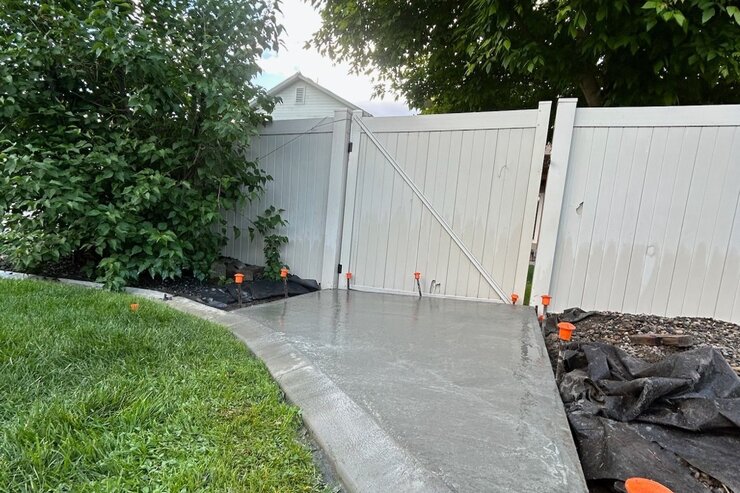
The dark, crumbling gaps between your sidewalk panels are easy to ignore — until you realize they are letting water straight into the ground beneath your concrete. Failed expansion joints are one of the cheapest things to fix and one of the most expensive to neglect. Reseal them and you protect the whole walkway; ignore them and you are funding a future replacement one freeze at a time.
Expansion joints are the deliberate gaps that let concrete panels expand and contract with temperature without cracking. They were originally filled with asphalt-impregnated felt board and a sealant on top, and in Providence's climate that felt rots out in roughly twenty to twenty-five years. Once the filler has decayed and the sealant has cracked and pulled away from the concrete, the joint is wide open.
That open joint becomes a funnel. Rain and snowmelt pour into the sub-base, where Providence's freeze-thaw cycles turn it to ice that heaves the panels and erodes the supporting soil. The panel edges begin to spall, the slabs start to migrate, and what began as a strip of rotted felt grows into settlement and cracking across multiple panels. The joint failure is small; the damage it enables is not.
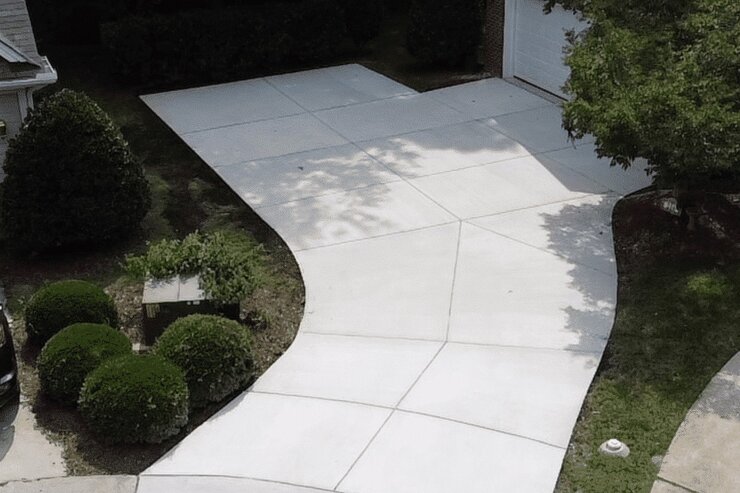
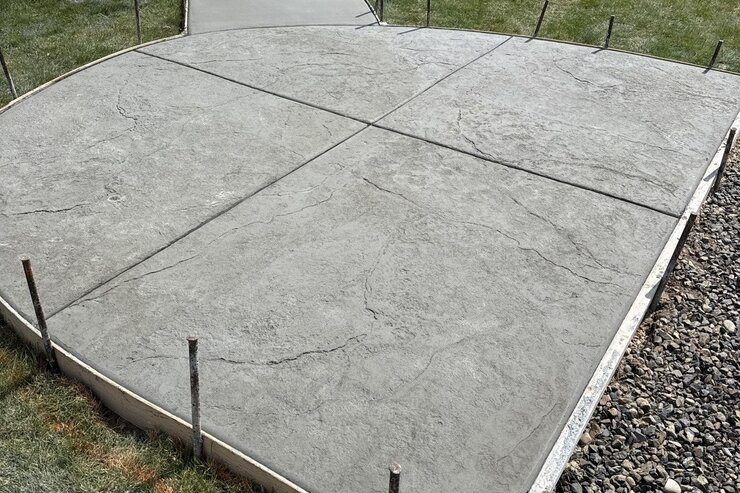
We chase the joint with a saw or grinder to a clean, square profile and vacuum out the decayed felt, old sealant, and debris down to sound concrete. We then install closed-cell foam backer rod sized to the joint width, which sets the correct sealant depth and gives the sealant a backing to form against — a detail that controls how well the joint can stretch and compress.
Over the backer rod we tool in a self-leveling polyurethane sealant — Sika Sikaflex or Tremco Vulkem — that bonds to both concrete faces and stays flexible across Providence's full annual temperature swing. The result is a watertight, elastic joint that moves with the panels instead of tearing, cures in about a day, and keeps water out of the sub-base where it does the real damage.
Resealing an expansion joint is inexpensive maintenance that protects an expensive asset. For the price of a sealant repair you prevent the water intrusion that would otherwise undermine the sub-base, spall the panel edges, and ultimately force replacement of the surrounding concrete. Caught early, joint resealing usually saves the adjacent panels entirely — the definition of a high-return repair.
Resealing is the right fix when the joint has failed but the panels are still sound. If water has already been infiltrating for several winters and the panel edges have spalled or the slabs have begun to settle, we will recommend combining the joint work with edge grinding or partial-panel replacement. Addressing the joint promptly is precisely how you avoid ever reaching that point.
Resealing joints is minor maintenance; the water damage they cause when neglected is a major replacement bill:
| Front walk joints | Reseal Now | Neglect → Replacement |
|---|---|---|
| Typical price | $200 – $350 | $1,200 – $2,500 |
| Scope | Backer rod + sealant | Demo + new panels |
| Time on site | Half day | 1 – 2 days |
| Stops water intrusion | Yes | After the damage |
| Protects adjacent panels | Yes | Too late |
A few hundred dollars of joint sealant today routinely prevents thousands in freeze-thaw panel damage later, which is why we recommend a joint inspection every five years for Providence properties.
We rebuild the joint from the backer rod up so it stays watertight and flexible through Providence winters:
Resealing joints is inexpensive maintenance that protects an expensive asset, and we use flexible self-leveling polyurethane sealants engineered to move with your panels through Providence's full annual temperature swing. We recommend a joint inspection every five years to stay ahead of water damage.
Noticing dark, crumbling gaps between your Providence sidewalk panels? Reseal them now and protect the whole walkway from the ground up. Call (401) 555-0148 or request a free estimate online and we'll be at your Providence-area property within two business days.