
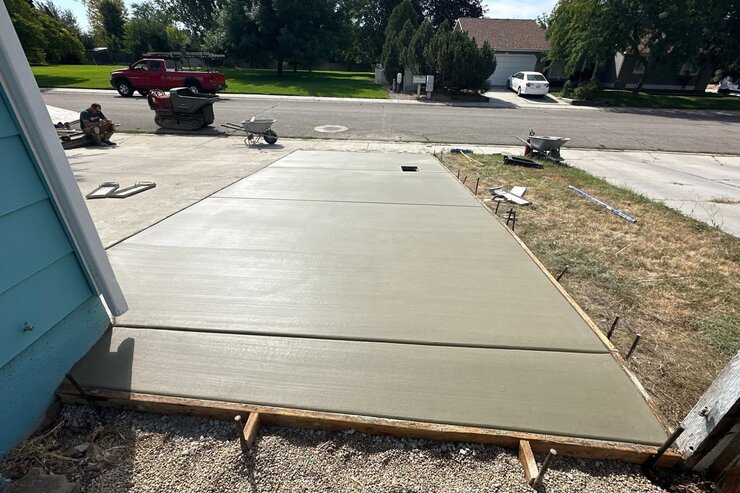
When a sidewalk hazard appears suddenly — a fall, a vehicle impact, a heaved slab after a water-main break, or a city violation with a deadline — waiting is the most expensive choice you can make. You do not need a full reconstruction to make a hazard safe today. Our emergency crews neutralize and document the danger within about ninety minutes of arrival, then schedule the permanent repair on your timeline.
Some defects develop slowly, but others appear overnight: a snowplow gouges a panel, a delivery truck cracks a slab, a water-main break heaves a section, or a freeze-thaw cycle suddenly opens a two-inch lip outside a busy storefront. The instant that hazard exists, so does the liability — under Providence's sidewalk maintenance ordinance the property owner is responsible the moment a pedestrian is exposed to it.
Every hour an open hazard sits there is an hour of exposure to a slip-and-fall claim, a worsening city violation, and an ADA-access complaint. For a restaurant, an apartment complex, or a medical office that foot traffic cannot simply stop, the cost of waiting for a routine Tuesday quote can dwarf the cost of the repair itself. Speed is risk management.
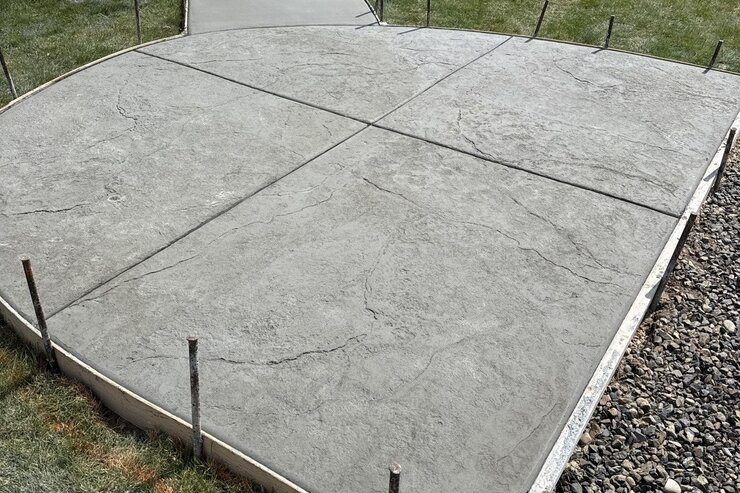
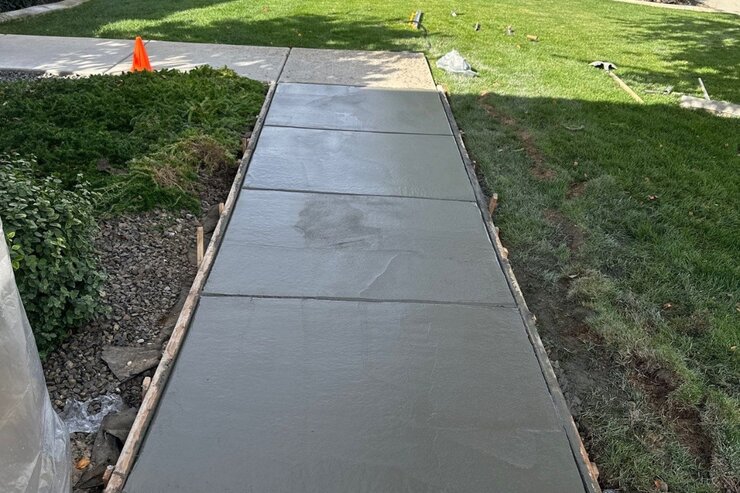
Our emergency dispatch crew rolls with everything needed to make a hazard safe on the first visit: a portable diamond grinder, a polyurethane lifting rig, rapid-set cold-patch concrete, hazard cones, and reflective barricades. On arrival we assess the defect, then grind raised offsets to an ADA-compliant slope, cold-patch gouges and impact craters, or barricade and flag anything that cannot be fully remediated on the spot.
Just as important, we document everything with timestamped, GPS-tagged before-and-after photos and a written incident report — the record you hand to an insurance adjuster, a city inspector, or an attorney. The first visit makes the site safe; the permanent repair, whether grinding, leveling, or a new pour, is scheduled within three to five business days so the underlying defect is corrected properly.
Booking a standard estimate and waiting a week leaves an open hazard — and open liability — in place the entire time. Same-day mitigation closes that window: the danger is neutralized, the site is documented, and your exposure drops immediately. The dispatch fee is small compared to the cost of a single fall claim or a daily-accruing city fine, which is why property managers treat emergency response as insurance rather than expense.
Mitigation is the first half of the job, not a substitute for the fix. We are clear that a cold-patch or a barricade is a temporary safety measure; the permanent repair follows on a scheduled visit. But getting the hazard documented and made safe in the same day is what protects you legally and physically in the gap before that permanent work.
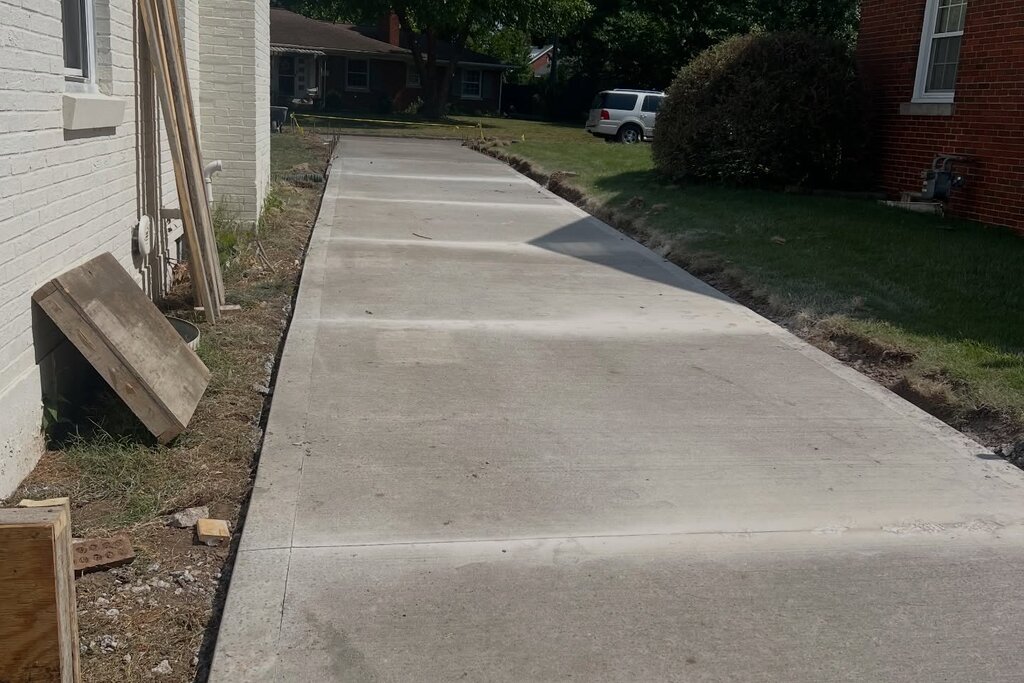
Emergency dispatch is a known, modest cost; the liability of leaving a hazard exposed is open-ended:
| Sudden sidewalk hazard | Same-Day Mitigation | Waiting / Doing Nothing |
|---|---|---|
| Typical cost | $450 first hour | Open-ended exposure |
| Hazard neutralized | Within ~90 min | Remains live |
| Documentation | Adjuster-ready packet | None |
| City fine risk | Stopped | Accrues daily |
| Claim exposure | Sharply reduced | Full |
Property managers can put us on a 24/7 retainer with priority response and discounted dispatch — turning an unpredictable emergency into a fixed, budgeted line item.
We make the hazard safe and fully documented on the first visit, then schedule the permanent fix:
Our emergency crews run seven days a week across Providence County with everything needed to make a hazard safe on the first visit. Property managers can put us on a 24/7 retainer with priority response and discounted dispatch, turning an unpredictable emergency into a budgeted line item.
Facing a sudden sidewalk hazard or a city deadline in Providence? Call (401) 555-0148 now — we can make it safe today. Call (401) 555-0148 or request a free estimate online and we'll be at your Providence-area property within two business days.